
3 Medicine Mistakes I'd Never Make As a Nurse
Har ghar ki dawai ki almari mein ek galti chhupi hoti hai jo main kabhi nahi karti.
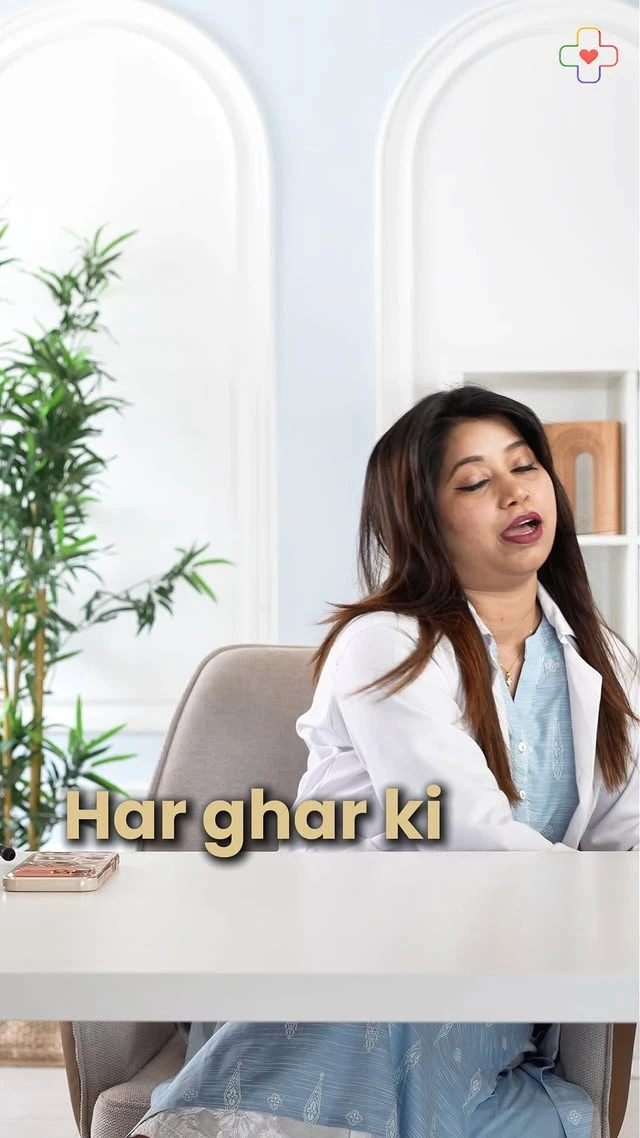
Watch This Guide on Your Favorite Platform
This short guide is live on Instagram and YouTube. Watch the 30-second breakdown, share it in your family WhatsApp group, and read the complete medical checklist below.
"Dawai theek karti hai tabhi jab aap use sahi lein, warna wahi nuksaan de sakti hai."
The 3 Habits That Worry Nurses Most
In Indian homes, these three habits feel harmless day-to-day. But behind the scenes, they trigger adverse reactions and drug-resistant bacteria.
Stopping an Antibiotic Course Early
This is the single most dangerous mistake for family health. When you stop antibiotics prematurely, the strongest bacteria survive, mutate, and multiply. They become resistant to standard medicines, a global crisis known as Antimicrobial Resistance (AMR). Always complete the full course prescribed by your doctor, even if you feel completely healthy.
Borrowing or Sharing Leftover Medication
Two people with the exact same headache or cough may have fundamentally different causes, such as viral vs bacterial, acid reflux vs respiratory, or blood pressure issues. Medication dosages depend strictly on body weight, kidney function, and underlying conditions. What cured your relative could cause you severe allergic reactions or organ strain.
Taking Medicines Without Checking the Expiry Date
Expired medications can lose active chemical potency or degrade into harmful chemical byproducts. In warm, humid Indian kitchens or bathrooms, medicines degrade even faster. Inspect every strip and bottle before opening, and store emergency supplies in a cool, dark location.
Why Stopping Antibiotics Early is a Global Health Emergency
"Antibiotic resistance is one of the biggest threats to global health, food security, and development today. Misuse and premature cessation of antimicrobials accelerate drug-resistant superbugs."
When you take antibiotics for only 3 days instead of 7, the weaker bacteria die, but the strongest bacteria survive and mutate. The next time you or your child gets infected, standard antibiotics will no longer work.
Nurse Samya's 2-Minute Monthly Cabinet Check
Set a recurring calendar reminder on the 1st of every month to take 2 minutes for your home medicine box.
- ✓Discard expired blister packs, syrups, and opened eye/ear drops (most drops expire 30 days after opening).
- ✓Keep pediatric/children's syrups physically separate from adult tablets to eliminate accidental dosing errors.
- ✓Store medicines in a cool, dry place away from kitchen stove heat and bathroom steam.
- ✓Always keep prescription antibiotics in their original box with dosage instructions written clearly on top.
- ✓Keep emergency contacts (Pediatrician, Family Physician, Ambulance 108) taped inside the cabinet lid.
What Samya Shares in the Video
"Main ek nurse hu aur ye teen mistakes hain jo main dawaiyon ke saath kabhi nahi karti aur apko bhi nahi karni chahiye."
"Ek: antibiotic ka course beech mein chhodna. Doctor ne saat din prescribe kra hai toh poore saat din. Aadhe mein band karna sabse badi galti hai."
"Do: kisi aur ki bachi hui dawai, same symptom hai sochkar, khaana. Jo aapke liye sahi hai, zaroori nahi doosre ke liye ho."
"Teen: expiry date dekhe bina almari se dawai uthana. Mahine mein ek baar apna cabinet zaroor check karo. Choti aadatein, badi suraksha."

Samya Chaudhary
Registered Nurse and Ex-Community Health Officer with clinical experience in hospital wards and rural health centers. Mom to a toddler, passionate about breaking down medical jargon into warm, honest care for Indian families.