
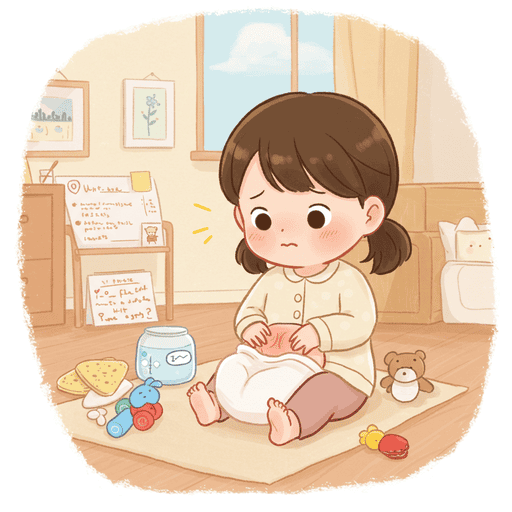
What are the common causes of abdominal pain in infants, and how can I soothe my baby's tummy?
Quick Answer

Abdominal pain in infants can stem from various issues like colic, gas, constipation, or even food sensitivities.
Gentle remedies like tummy time, massage, and proper burping can often provide relief.
If symptoms persist or worsen, it's always best to consult your pediatrician to rule out any underlying medical conditions.
Recommended Practices

Gentle Tummy Time
Place your baby on their tummy for a few minutes several times a day, especially when they are awake and alert.
This helps to move gas through their system and strengthens their tummy muscles.
Start with 2-3 minutes and gradually increase as your baby tolerates it.
Remember to always supervise tummy time.
Burp Frequently
Burp your baby during and after each feeding.
For bottle-fed babies, burp every 2-3 ounces.
For breastfed babies, burp when switching breasts.
Hold your baby upright and gently pat or rub their back to release trapped air.
Try different positions like over your shoulder, sitting on your lap, or lying across your knees.
Tummy Massage
Gently massage your baby's tummy in a clockwise direction.
Use your fingertips to make small, circular motions.
This can help to relieve gas and constipation.
You can also try bicycle leg movements by gently pushing your baby's knees towards their chest, one at a time.
Warm Bath
A warm bath can help to relax your baby's muscles and ease abdominal discomfort.
Make sure the water is not too hot, and always supervise your baby closely.
You can also gently pour warm water over their tummy while they are swaddled.
Dietary Adjustments (for Breastfeeding Mothers)
If you are breastfeeding, consider eliminating potential allergens from your diet, such as dairy, soy, or caffeine.
Keep a food diary to track any potential triggers.
It can take 2-3 weeks to see the effects of dietary changes.
Always consult with your doctor or a lactation consultant before making significant dietary changes.
Probiotics (Consult Your Doctor)
Some studies suggest that probiotics may help to reduce colic and gas in infants.
However, it's important to talk to your pediatrician before giving your baby any supplements.
They can recommend a suitable probiotic and dosage for your baby's age and condition.
Look for probiotics specifically formulated for infants.
What to Avoid
Overfeeding
Avoid overfeeding your baby, as this can lead to gas and discomfort.
Watch for your baby's cues of fullness, such as turning their head away or slowing down their sucking.
Feeding smaller amounts more frequently can be helpful.
Lying Baby Flat Immediately After Feeding
Avoid laying your baby flat immediately after feeding, as this can increase the risk of reflux.
Hold your baby upright for at least 15-20 minutes after each feeding to allow the stomach contents to settle.
Using Gripe Water Without Consultation
While gripe water is a popular remedy, its effectiveness is not scientifically proven, and some formulations may contain ingredients that are not safe for infants.
Always consult your pediatrician before using gripe water or any other over-the-counter remedies.
Ignoring Changes in Stool
Pay attention to your baby's stool patterns.
Changes in frequency, consistency, or color can indicate a problem.
Blood in the stool, excessive straining, or hard, infrequent stools should be reported to your pediatrician.
Self-Treating Severe Symptoms
Do not attempt to self-treat severe symptoms such as projectile vomiting, fever, or dehydration. These symptoms may indicate a more serious condition that requires medical attention.
Assuming All Crying is Colic
While colic is a common cause of crying, it's important to rule out other potential causes of discomfort, such as hunger, diaper rash, or overstimulation.
If your baby's crying is excessive or accompanied by other symptoms, consult your pediatrician.
Common Scenarios and Solutions


My baby is crying inconsolably and pulling their legs up to their chest.
This could be a sign of colic or gas.
Try gently rocking your baby, swaddling them, and playing white noise.
You can also try giving them a warm bath or massaging their tummy.
If the crying persists or is accompanied by other symptoms, consult your pediatrician.
My baby is spitting up frequently after feedings.
This could be a sign of reflux.
Try feeding your baby smaller amounts more frequently and holding them upright for at least 20 minutes after each feeding.
If the spitting up is excessive or accompanied by other symptoms, such as poor weight gain or irritability, consult your pediatrician.
My baby hasn't had a bowel movement in several days and seems uncomfortable.
This could be a sign of constipation.
If your baby is old enough for solids, offer them foods high in fiber, such as prunes or pears.
You can also try gently massaging their tummy or giving them a warm bath.
If constipation persists, consult your pediatrician.
My baby has a rash and diarrhea after trying a new food.
This could be a sign of a food allergy. Stop giving your baby that food and consult your pediatrician. They may recommend allergy testing or a special diet.
Similar Questions Parents Ask


Is it normal for my baby to have gas?
Yes, it's perfectly normal for babies to have gas. Their digestive systems are still developing, and they swallow air during feeding.
How can I tell if my baby is constipated?
Signs of constipation include infrequent bowel movements, hard stools, and straining during bowel movements.
What is colic, and how long does it last?
Colic is defined as inconsolable crying for at least 3 hours a day, 3 days a week. It typically starts a few weeks after birth and resolves by around 3 months of age.
When should I start giving my baby solid foods?
Most babies are ready for solid foods around 6 months of age. Look for signs of readiness, such as being able to sit up with support and showing interest in food.
Signs to Consult Immediately


Projectile vomiting
Bloody stools
High fever (over 100.4°F or 38°C)
Signs of dehydration (decreased urination, dry mouth, sunken eyes)
Lethargy or excessive sleepiness
Difficulty breathing
Severe abdominal distension
Detailed Explanation


Abdominal pain in infants is a common concern for new parents.
It's important to remember that babies communicate primarily through crying, and it can be difficult to determine the exact cause of their discomfort.
Several factors can contribute to abdominal pain, including normal digestive development, gas, constipation, food sensitivities, and infections.
Colic is a frequent culprit, characterized by prolonged periods of inconsolable crying in an otherwise healthy baby.
While the exact cause of colic is unknown, it's thought to be related to digestive immaturity, gas, or sensitivity to certain foods.
Colic typically starts a few weeks after birth and resolves by around 3 months of age.
Remember, you are not alone if you are dealing with a colicky baby.
It can be incredibly frustrating, so don't hesitate to ask for help from family, friends, or your doctor.
Excess gas is another common cause of abdominal discomfort in infants.
Babies swallow air during feeding, and this air can become trapped in their digestive system, causing bloating and pain.
Proper burping techniques and tummy time can help to release trapped gas.
If your baby is bottle-fed, consider using anti-colic bottles to reduce air swallowing.
Constipation can also lead to abdominal pain in infants.
Infrequent or hard stools can be painful to pass.
Ensure your baby is getting enough fluids and fiber in their diet (if they are old enough for solids).
Gentle tummy massage and bicycle leg movements can also help to stimulate bowel movements.
If constipation persists, consult your pediatrician.
Food sensitivities, such as cow's milk protein allergy, can cause abdominal pain, vomiting, and diarrhea in infants.
If you suspect your baby has a food allergy, talk to your pediatrician.
They may recommend eliminating certain foods from your diet (if you are breastfeeding) or switching to a hypoallergenic formula.
Infections, such as viral gastroenteritis, can also cause abdominal pain, vomiting, and diarrhea.
These infections are usually self-limiting and resolve with supportive care, such as hydration and fever management.
However, if your baby has a high fever, bloody stools, or signs of dehydration, seek medical attention immediately.
As your baby grows, the causes and management of abdominal pain may change.
For example, as they start solid foods, they may experience constipation or food sensitivities.
Always introduce new foods one at a time to monitor for any reactions.
During the monsoon season, be extra vigilant about hygiene to prevent gastrointestinal infections.
In the winter, ensure your baby is adequately hydrated, as dry air can contribute to constipation.
Sources
Indian Sources
Provides recommendations on breastfeeding, complementary feeding, and management of common infant health issues.
A peer-reviewed journal publishing research articles on various aspects of child health in India.
International Sources
Recommends exclusive breastfeeding for the first 6 months of life and continued breastfeeding with complementary foods for up to 2 years or beyond.
Provides information on various aspects of child health, including infant feeding, colic, and constipation. "Abdominal pain is common in children, especially during a baby's first year."
Resources and information on child health and nutrition globally.