
What is spirometry and how is it done on children?
Quick Answer

Spirometry is a simple breathing test that measures how well your child's lungs are working.
It involves your child blowing into a tube connected to a machine, which measures the amount and speed of air they can exhale.
It's used to diagnose conditions like asthma and other respiratory issues, and it's generally a quick and painless procedure, kinda like blowing out birthday candles!
Recommended Practices

Explain the Test Simply
Before the test, explain to your child what will happen in simple terms.
Tell them it's like blowing out birthday candles, and the doctor wants to see how strong their breath is.
Use positive language and reassure them it won't hurt.
Maybe even practice blowing games at home!
Choose a Comfortable Environment
If possible, have the test done in a child-friendly clinic or hospital setting.
A calm and reassuring environment can help reduce anxiety.
Bring along a favorite toy or blanket to provide comfort.
Talk to the staff to see if they have experience working with children.
Demonstrate the Technique
Show your child how to take a deep breath and blow out as hard and fast as they can.
Practice this a few times before the actual test.
Make it a fun game to see who can blow the hardest.
This helps them understand what's expected and reduces fear of the unknown.
Provide Encouragement and Praise
During the test, offer plenty of encouragement and praise.
Tell your child they are doing a great job, even if they struggle at first.
Celebrate their effort, not just the result.
A small reward after the test can also be a good motivator.
Ensure Proper Posture
Make sure your child is sitting upright with good posture during the test.
This helps them breathe more effectively.
The technician will guide them on the correct position.
If your child has any physical limitations, inform the technician beforehand.
Follow Instructions Carefully
Listen carefully to the instructions given by the technician.
They will guide your child through each step of the test.
Ask questions if you are unsure about anything.
Following the instructions accurately ensures the test results are reliable.
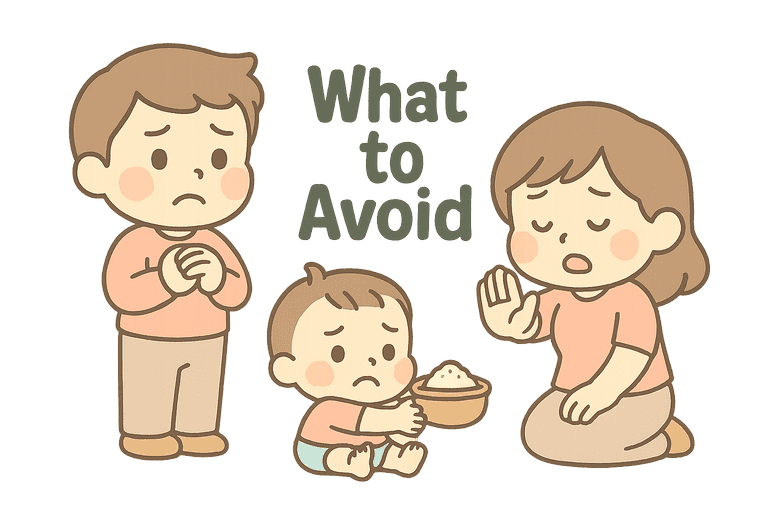
What to Avoid
Don't Scare Your Child
Avoid using scary words like 'machine' or 'test.' Focus on the fun aspect of blowing.
Never threaten or force your child to participate.
This can create negative associations and make future tests more difficult.
Avoid Heavy Meals Beforehand
A heavy meal right before the test can make it difficult for your child to breathe comfortably.
It's best to avoid large meals at least 2 hours prior.
A light snack is okay if needed.
This helps ensure accurate test results.
Don't Rush the Process
Allow plenty of time for the test.
Rushing can increase anxiety and make it harder for your child to cooperate.
Arrive early to allow your child to settle in and become comfortable with the environment.
Patience is key.
Avoid Misleading Explanations
Don't tell your child the test will give them a prize or a special power.
This can lead to disappointment if the test is not successful.
Be honest and realistic about what to expect.
Focus on the importance of the test for their health.
Don't Compare to Others
Avoid comparing your child's performance to others.
Every child is different, and their lung capacity will vary.
Focus on their individual effort and progress.
Comparison can lead to feelings of inadequacy and discouragement.
Avoid Assuming the Worst
If the test results are not immediately clear, avoid jumping to conclusions.
The doctor will need to interpret the results in the context of your child's overall health.
Trust the doctor's expertise and ask questions if you have concerns.
Don't self-diagnose or rely on internet searches.
Common Scenarios and Solutions


Child is anxious and refuses to cooperate.
Try to calm your child by speaking in a soothing voice and offering reassurance.
Show them the spirometer and explain how it works in simple terms.
Let them practice blowing into the mouthpiece without the machine turned on.
If they still refuse, don't force them.
Reschedule the test for another day when they may be more receptive.
Child is unable to take a deep breath.
Encourage your child to take slow, deep breaths.
Demonstrate the technique yourself.
Use visual aids such as a balloon to show them how to fill their lungs with air.
If they are still struggling, the technician may need to adjust the testing procedure or use alternative methods.
Child coughs during the test.
If your child coughs during the test, stop the procedure and allow them to rest.
Offer them a drink of water.
Once they are ready, resume the test.
Explain to them that coughing can affect the results and encourage them to try to avoid it.
Child feels dizzy after the test.
Have your child sit down and rest for a few minutes. Offer them a snack and a drink. Monitor them for any signs of distress. If the dizziness persists, consult a doctor.
Similar Questions Parents Ask


Is spirometry painful?
No, spirometry is not painful. It simply requires your child to breathe into a tube.
How long does spirometry take?
Spirometry usually takes about 15-30 minutes to complete.
Are there any risks associated with spirometry?
Spirometry is generally safe, but some children may experience mild dizziness or lightheadedness.
How do I prepare my child for spirometry?
Explain the test to your child in simple terms, avoid heavy meals beforehand, and ensure they are well-rested.
Signs to Consult Immediately


Severe shortness of breath
Chest pain
Bluish discoloration of the lips or skin
Loss of consciousness
Persistent coughing or wheezing that does not improve with medication
Detailed Explanation


Spirometry is a pulmonary function test that measures the amount of air a person can inhale and exhale, as well as the speed of exhalation.
It's a non-invasive test that helps doctors assess lung function and diagnose respiratory conditions.
The test works by having the child breathe into a mouthpiece connected to a spirometer, which records the measurements.
These measurements are then compared to normal values based on the child's age, height, and sex.
Normal developmental expectations vary with age.
For younger children (under 5), spirometry can be challenging due to their limited ability to follow instructions.
In such cases, other tests like impulse oscillometry may be used.
Older children (6 and above) are generally able to perform spirometry with proper guidance and encouragement.
It's important to remember that normal lung function values increase with age as the child grows.
Warning signs that may indicate the need for spirometry include frequent coughing, wheezing, shortness of breath, chest tightness, and difficulty breathing during exercise.
If your child experiences any of these symptoms, it's important to consult a doctor.
Spirometry can help determine the underlying cause of these symptoms and guide appropriate treatment.
The guidance for spirometry changes based on the baby's age.
For infants and toddlers, spirometry is not typically performed.
Instead, doctors rely on clinical assessment and other tests to evaluate lung function.
For preschool children, spirometry may be attempted with careful instruction and encouragement.
School-aged children are usually able to perform spirometry reliably.
Premature babies and those with health conditions such as cystic fibrosis or cerebral palsy may require special considerations during spirometry.
These children may have reduced lung capacity or difficulty coordinating their breathing.
The technician will need to adapt the testing procedure to accommodate their individual needs.
It's important to inform the technician about any pre-existing health conditions.
In India, seasonal variations can affect respiratory health.
During the winter months, air pollution levels tend to be higher, which can exacerbate respiratory symptoms.
During the monsoon season, humidity can promote the growth of mold and allergens, triggering asthma attacks.
It's important to take precautions such as using air purifiers, avoiding outdoor activities during peak pollution times, and keeping the home clean and dry.
Spirometry is generally safe, but some children may experience mild side effects such as dizziness or lightheadedness.
These symptoms are usually temporary and resolve quickly.
In rare cases, spirometry can trigger an asthma attack.
It's important to have rescue medication available during the test.
The technician will monitor your child closely for any signs of distress.
Sources
Indian Sources
Provides comprehensive guidelines for the diagnosis and management of asthma in children in India.
A peer-reviewed journal publishing research on child health in India.
International Sources
WHO fact sheet on asthma, including information on diagnosis and management.
UNICEF's work on improving child health globally, including respiratory health.
Recommended Reading for Parents
A comprehensive guide to understanding and managing asthma in children, available in India.