
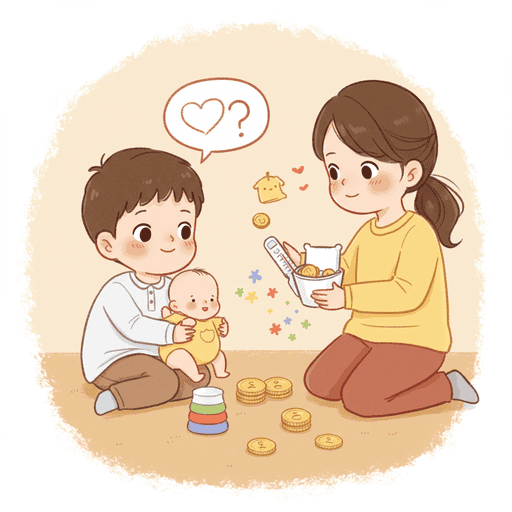
How can I effectively use rewards to encourage positive behavior in my child?
Age-Appropriate Rewards for Positive Behavior
| Age Group | Type of Reward | Examples of Rewards |
|---|---|---|
| 2-5 years | Tangible & Social | Stickers, small toys, praise, hugs, extra playtime |
| 6-12 years | Privileges & Activities | Staying up later, choosing a family movie, playing a game, earning points for a larger reward |
| 13-18 years | Independence & Responsibility | More freedom, later curfew, increased responsibility, earning money |
Quick Answer

Rewards can be a great way to encourage good behavior in children, especially when combined with praise and clear expectations.
A behavior chart can help track progress, and the rewards should be something your child values.
Remember to gradually reduce the rewards as the positive behavior becomes a habit, focusing more on internal motivation.
Recommended Practices

Create a Behavior Chart
Design a chart that clearly outlines the specific positive behaviors you want to see in your child.
Include the time of day each behavior is expected.
For younger children (preschool age), use stickers or stars.
For older children (school age), you can use a point system.
Display the chart in a visible place, like on the refrigerator.
Set Clear Expectations
Talk to your child about the behaviors you expect and why they are important.
Make sure your child understands what is expected of them.
For example, instead of saying 'Be good,' say 'Please share your toys with your sister and speak kindly.'
Choose Meaningful Rewards
Involve your child in selecting rewards that are motivating and age-appropriate.
Rewards don't always have to be material things; they can also be privileges, like extra playtime, reading a favorite book together, or a special outing to the park.
Consider small rewards for daily achievements and larger rewards for weekly or monthly goals.
Track Progress Daily
Keep a close eye on your child's progress and provide regular feedback.
Praise them for their efforts, even if they don't always succeed.
This will help keep them motivated and engaged.
Remember to focus on the positive aspects of their behavior.
Offer Small, Frequent Rewards
Give small rewards frequently for consistent positive behavior.
This helps to reinforce the desired behavior and keeps your child motivated.
For example, a small sticker for completing homework or a few extra minutes of playtime for helping with chores.
Gradually Phase Out Rewards
As your child internalizes the desired behavior, gradually reduce the frequency and size of the rewards.
Shift the focus from external rewards to internal motivation, such as feeling proud of their accomplishments.
This helps them develop self-discipline and a sense of responsibility.
What to Avoid
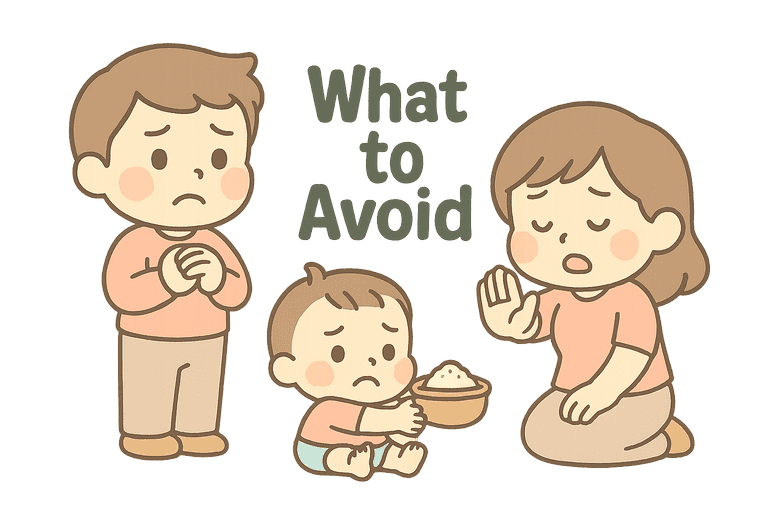
Using Demerits or Penalties
Avoid using demerits or penalties, as these can be discouraging and make your child feel humiliated.
Focus on positive reinforcement instead.
If your child struggles with a particular behavior, try to understand the underlying cause and work together to find a solution.
Giving Materialistic Rewards Only
Don't rely solely on material rewards, as this can create a sense of entitlement.
Mix material rewards with non-material rewards, such as praise, quality time, and privileges.
This helps your child develop a well-rounded sense of value.
Setting Unrealistic Expectations
Avoid setting unrealistic expectations that your child cannot meet.
This can lead to frustration and discouragement.
Make sure the goals are achievable and age-appropriate.
Break down larger goals into smaller, more manageable steps.
Inconsistency in Applying the System
Be consistent in applying the reward system.
If you are not consistent, your child may become confused and lose interest.
Make sure both parents and other caregivers are on the same page and follow the same rules.
Using Rewards as a Bribe
Avoid using rewards as a bribe to get your child to do something they don't want to do.
This can teach them to manipulate you.
Instead, use rewards to reinforce positive behavior that they are already trying to achieve.
Ignoring Underlying Issues
Don't ignore any underlying issues that may be contributing to your child's behavior.
If your child is struggling with emotional or behavioral problems, seek professional help from a pediatrician or child psychologist.
Sometimes, the behavior is a symptom of a larger problem.
Common Scenarios and Solutions


Your child refuses to do their homework.
First, talk to your child about why they are refusing to do their homework.
Are they struggling with the material?
Are they feeling overwhelmed?
Once you understand the underlying cause, you can work together to find a solution.
Break down the homework into smaller, more manageable tasks.
Offer a small reward for completing each task.
Provide encouragement and support along the way.
Your child is constantly fighting with their sibling.
Set clear rules about how siblings should treat each other.
When your children are getting along, praise them for their positive behavior.
When they are fighting, intervene calmly and fairly.
Help them resolve their conflict peacefully.
Consider implementing a reward system for cooperative behavior.
Your child is not following instructions.
Make sure your instructions are clear and concise.
Get your child's attention before giving instructions.
Ask your child to repeat the instructions back to you to make sure they understand.
Offer a reward for following instructions promptly and correctly.
Your child is having tantrums.
Stay calm and avoid getting into a power struggle.
Ignore the tantrum if it is not harmful to your child or others.
Once the tantrum has subsided, talk to your child about what triggered it.
Help them develop coping strategies for managing their emotions.
Praise them for using these strategies in the future.
Similar Questions Parents Ask


What are some examples of age-appropriate rewards?
For younger children, stickers, small toys, or extra playtime can be effective. Older children may be motivated by privileges, such as staying up later or having more screen time.
How often should I give rewards?
Initially, rewards should be given frequently to reinforce the desired behavior. As the behavior becomes more consistent, you can gradually reduce the frequency of rewards.
What if my child stops responding to the rewards?
If your child stops responding to the rewards, it may be time to change them. Try offering different types of rewards or increasing the value of the rewards.
Is it okay to use punishment sometimes?
While positive reinforcement is generally more effective, mild consequences, such as time-outs, may be appropriate in certain situations. However, avoid using harsh or physical punishment, as this can be harmful to your child's development.
Signs to Consult Immediately


Aggressive behavior towards self or others.
Sudden changes in behavior or mood.
Persistent defiance or refusal to follow instructions.
Withdrawal from social activities.
Signs of anxiety or depression.
Any behavior that is causing significant problems at home, at school, or with peers.
Detailed Explanation


Positive reinforcement is a powerful tool for shaping behavior.
It works by associating a desired behavior with a positive consequence, making it more likely that the behavior will be repeated.
When children experience positive reinforcement, their brains release dopamine, a neurotransmitter associated with pleasure and reward.
This creates a positive association with the behavior, making them more likely to engage in it again.
It's important to remember that every child is different, and what works for one child may not work for another.
Some children are naturally more motivated by praise and recognition, while others respond better to tangible rewards.
Experiment with different types of rewards to find what works best for your child.
Also, consider your child's age and developmental stage when setting expectations and choosing rewards.
Normal developmental variations can also influence a child's behavior.
For example, toddlers are naturally more impulsive and may have difficulty controlling their emotions.
School-aged children may be more influenced by their peers and may be more motivated by social rewards.
Teenagers may be more interested in independence and autonomy.
Understanding these developmental variations can help you tailor your approach to positive reinforcement.
There are some warning signs that may indicate a need for professional help.
If your child's behavior is causing significant problems at home, at school, or with their peers, it's important to seek professional guidance.
Other warning signs include aggression, defiance, withdrawal, anxiety, and depression.
A pediatrician or child psychologist can help you identify the underlying causes of your child's behavior and develop a treatment plan.
The approach to positive reinforcement may need to change as your child grows.
For infants and toddlers (0-3 years), simple praise and affection are often enough to reinforce positive behavior.
As children get older (3-6 years), you can introduce more structured reward systems, such as sticker charts.
For older children (6-12 years), you can use point systems and allow them to earn privileges or small rewards.
Teenagers may be more motivated by independence and autonomy, so you can give them more responsibility and decision-making power.
Premature babies or children with health conditions may require a slightly different approach.
These children may have developmental delays or physical limitations that make it more difficult for them to meet expectations.
Be patient and understanding, and adjust your expectations accordingly.
Focus on celebrating their successes, no matter how small.
In India, seasonal changes can also affect children's behavior.
During the hot summer months, children may be more irritable and restless.
During the monsoon season, they may be more confined indoors and may become bored.
During the winter months, they may be more prone to illness.
Be mindful of these seasonal changes and adjust your approach to positive reinforcement accordingly.
For example, during the summer, you can offer rewards that involve outdoor activities, such as swimming or playing in the park.
During the monsoon, you can offer rewards that involve indoor activities, such as reading books or playing board games.
Sources
Indian Sources
Refer to the IAP website for updated guidelines on child development and behavior management. (Check for most recent publications)
Search the journal for articles on positive parenting and behavior management strategies relevant to Indian families. (Check for most recent publications)
International Sources
UNICEF's work on early childhood development, including resources on positive parenting and child behavior. (Check for most recent publications)
Recommended Reading for Parents
A guide to positive discipline techniques adapted for the Indian cultural context. (Check availability on Amazon.in or local bookstores)
Explains how a child’s brain works and offers strategies for promoting healthy emotional and intellectual development. (Check availability on Amazon.in or local bookstores)