
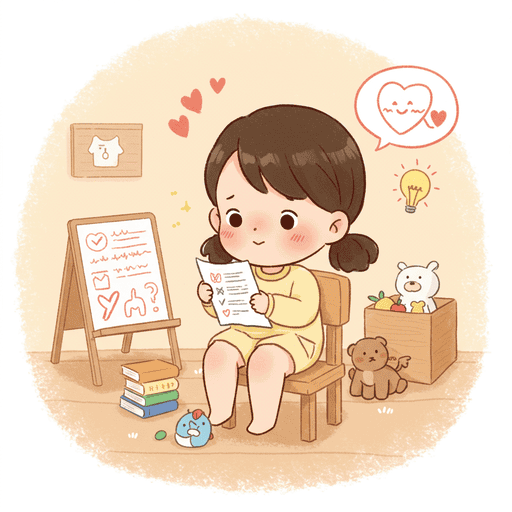
What is a medical record and why is it important for my child?
Quick Answer

A medical record is basically a complete story of your child's health journey.
It includes things like their vaccinations, any allergies they have, illnesses they've had, and any treatments they've received.
It's super important because it helps doctors provide the best possible care for your child, especially in emergencies or when seeing a new specialist.
Keeping track of this information empowers you to advocate for your child's health needs.
Recommended Practices

Maintain a Personal Health Record
Keep a physical or digital copy of your child's key medical information, including vaccination records, allergies, medications, and any chronic conditions.
Update this record regularly and bring it to all doctor's appointments.
This is especially useful in India where electronic records may not always be seamlessly shared between different healthcare providers.
Request Copies of Medical Records
Whenever your child sees a doctor or undergoes a test, request a copy of the visit summary or test results.
Most hospitals and clinics in India will provide these upon request, sometimes with a small fee.
Having these records allows you to build a comprehensive history and share it with other healthcare providers as needed.
Understand Vaccination Schedules
Familiarize yourself with the Indian Academy of Pediatrics (IAP) recommended immunization schedule.
Keep a detailed record of your child's vaccinations, including dates and vaccine names.
This is crucial for preventing common childhood illnesses and for school admissions.
Document Allergies and Reactions
Maintain a clear record of any allergies your child has, including the specific allergen and the type of reaction they experienced.
Share this information with all caregivers, including family members, teachers, and childcare providers.
Consider a medical alert bracelet if the allergy is severe.
Keep Track of Medications
Maintain a list of all medications your child is currently taking, including the dosage, frequency, and reason for taking the medication.
Note any side effects or adverse reactions.
This is especially important if your child sees multiple doctors or specialists.
Review Records for Accuracy
Periodically review your child's medical records from different healthcare providers to ensure accuracy.
Correct any errors or omissions promptly.
This helps prevent misunderstandings and ensures that your child receives appropriate care.
What to Avoid
Assuming All Doctors Have Access to Records
Don't assume that all doctors involved in your child's care can automatically access their medical records.
In India, different hospitals and clinics often use separate systems.
Always share relevant information with each provider.
Delaying Record Requests
Don't wait until an emergency to request copies of your child's medical records. Obtain them proactively and keep them readily available. This can save valuable time in critical situations.
Relying Solely on Memory
Avoid relying solely on your memory to recall important medical details.
Document everything in a written or electronic record.
This is especially important for children with complex medical conditions.
Sharing Records Insecurely
Be cautious about sharing your child's medical records through unsecured channels like email or WhatsApp.
Use secure methods like password-protected files or encrypted messaging apps when sharing sensitive information.
Ignoring Mental Health Records
Remember that mental health records are also an important part of your child's overall medical history.
While access may be restricted in some cases, understand your rights and advocate for appropriate access when needed.
Discarding Old Records Prematurely
Don't discard old medical records prematurely. Some information may be relevant to your child's health even years later. Consult with your doctor about how long to retain specific records.
Common Scenarios and Solutions


Your child needs to see a specialist, but they don't have access to your child's records from their primary care physician.
Request a copy of your child's medical records from their primary care physician and bring it with you to the specialist appointment.
Alternatively, ask your primary care physician to fax or email the records to the specialist's office, ensuring it's done securely.
You're traveling and your child needs medical attention in a different city.
Carry a summary of your child's medical history, including allergies, medications, and any chronic conditions.
If possible, have a digital copy of their full medical records accessible on your phone or laptop.
This will help the healthcare providers in the new city provide appropriate care.
You suspect an error in your child's medical record.
Contact the healthcare provider who created the record and request a correction.
Provide documentation to support your claim.
Follow up to ensure that the correction is made and that all relevant parties are notified.
You're changing pediatricians.
Request a complete copy of your child's medical records from their current pediatrician and transfer it to the new pediatrician.
This ensures continuity of care and prevents any gaps in their medical history.
Similar Questions Parents Ask


What is HIPAA and how does it apply to my child's medical records in India?
While HIPAA is a US law, its principles of privacy and security are relevant globally. In India, similar ethical guidelines and data protection laws aim to protect patient confidentiality.
Can my child access their own medical records when they turn 18?
Yes, once your child turns 18, they have the right to access their own medical records and make their own healthcare decisions.
How long should I keep my child's medical records?
It's generally recommended to keep your child's medical records until they are at least 18 years old, or even longer if they have chronic health conditions.
What should I do if a healthcare provider refuses to give me a copy of my child's medical records?
You have the right to access your child's medical records. If a healthcare provider refuses, ask for a written explanation and consider seeking legal advice or contacting a patient rights organization.
Signs to Consult Immediately


Sudden onset of severe allergic reaction (anaphylaxis)
High fever with stiff neck or altered mental status
Difficulty breathing or severe respiratory distress
Unexplained bleeding or bruising
Seizures or loss of consciousness
Severe abdominal pain or vomiting
Detailed Explanation


A medical record is a comprehensive collection of information about your child's health.
It serves as a vital communication tool between healthcare providers, ensuring continuity of care and informed decision-making.
In India, where healthcare systems can be fragmented, maintaining a personal health record becomes even more crucial.
Typically, a medical record includes demographic information (age, gender, address), medical history (past illnesses, surgeries, allergies), immunization records, growth charts, lab results, imaging reports, medication lists, and notes from doctor's visits.
Electronic Health Records (EHRs) are increasingly common, but paper records are still prevalent, especially in smaller clinics and rural areas.
As parents, you generally have the right to access your child's medical records until they reach adulthood (usually 18 years).
However, there may be some exceptions, particularly regarding mental health records, where access may be restricted earlier based on state laws and professional guidelines.
Understanding your rights under HIPAA (Health Insurance Portability and Accountability Act) principles, even though it's a US law, helps you advocate for your child's healthcare needs.
It's important to note that the format and accessibility of medical records can vary across different hospitals and clinics in India.
Some may have sophisticated EHR systems, while others may rely on manual paper-based records.
This is why maintaining your own personal health record is so important.
Always ask for copies of reports and summaries after each visit.
For premature babies or children with chronic health conditions, maintaining detailed and organized medical records is even more critical.
These children often require specialized care from multiple providers, and having a comprehensive record ensures that everyone is on the same page.
Be sure to include details about developmental milestones, feeding patterns, and any special needs.
Seasonal changes in India can also impact your child's health.
During the monsoon season, there's an increased risk of waterborne diseases, so it's important to document any gastrointestinal issues or infections.
In the winter, respiratory illnesses are more common, so keep track of any coughs, colds, or breathing difficulties.
In the summer, be mindful of heat-related illnesses and document any symptoms of dehydration.
As your child grows, the focus of their medical record will evolve.
In infancy, the emphasis is on vaccinations, growth monitoring, and developmental milestones.
As they enter childhood, the record will include information about school health, sports participation, and any behavioral or learning issues.
In adolescence, the record will address issues like puberty, sexual health, and mental health.
Sources
Indian Sources
Provides the latest recommended immunization schedule for children in India.
A leading peer-reviewed journal publishing research on child health in India.
International Sources
Provides global health information and guidelines, including recommendations on immunization and child health.
Offers evidence-based information and resources for parents and pediatricians on child health and development.
Works to improve the health and well-being of children worldwide, including access to healthcare and immunization.
Recommended Reading for Parents
A comprehensive guide to child health and development from a trusted source, available in many Indian bookstores and online.