
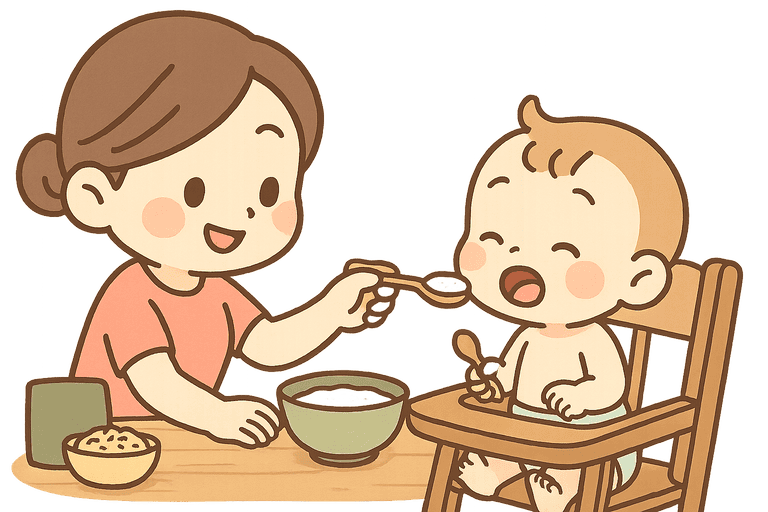
Should oats be dry-roasted before cooking, and is rolled or regular oats preferable?
Comparison of Oat Types for Infant Feeding
| Oat Type | Processing Level | Cooking Time | Recommended Age |
|---|---|---|---|
| Rolled Oats | Steamed and flattened | 5–10 minutes | 6+ months |
| Steel-Cut Oats | Chopped whole oat groats | 20–30 minutes | 9+ months |
| Instant Oats | Pre-cooked and dried then rolled thin | 1–2 minutes | 8+ months |
Quick Answer

Lightly dry-roasting oats before cooking can reduce phytic acid and improve flavor, but it’s optional if you cook them well.
Rolled (old-fashioned) oats are generally preferable for infants because they cook faster and yield a smoother texture than less-processed types.
Always soak or grind oats for younger babies to ensure easy digestion.
Introduce gradually and watch for tolerance.
Recommended Practices

Lightly Dry-Roast
Dry-roast oats on low heat for 1–2 minutes until you smell a nutty aroma. This reduces phytic acid and makes nutrients more available.
Choose Rolled Oats
Use rolled (old-fashioned) oats for babies 6+ months. Soak for 30 minutes before cooking to soften and reduce cooking time to 5–10 minutes.
Grind for Younger Babies
For 6–9 months, grind soaked rolled oats into a fine powder before cooking. This ensures a smooth porridge without lumps.
Adjust Consistency Gradually
Start with a thin porridge (1–2 tbsp oats in 100 ml water/formula), then gradually increase thickness and oats quantity as your baby tolerates.
Cook on Low Heat
Simmer oats on low flame, stirring continuously to prevent sticking and ensure even cooking.
Serve Lukewarm
Always cool cooked oats to lukewarm (wrist-tested) before feeding to avoid burns and digestive upset.
What to Avoid
Steel-Cut Oats Initially
Avoid steel-cut or coarse oats for first solids; they take longer to cook and may be hard for a baby’s gut to handle.
Adding Salt or Sugar
Do not add salt or sugar; infants’ kidneys are immature, and added sugars can promote unhealthy taste preferences.
Instant Flavored Oats
Steer clear of instant oats with preservatives or added sugars, which can irritate a baby’s digestion.
High-Heat Roasting
Avoid roasting on high heat or until brown, as burnt oats can produce harmful compounds and bitter flavors.
Lumpy Texture
Do not serve oats with undissolved lumps; they can pose a choking hazard and be hard to swallow.
Cow’s Milk Too Early
Avoid cooking oats directly in cow’s milk before 9–12 months; use breastmilk or formula for initial feeds.
Common Scenarios and Solutions


Baby gags on lumps
Strain the porridge through a fine mesh sieve or blend briefly to achieve a smooth consistency.
Baby has gas
Add a pinch of asafoetida (hing) to the cooking water and give gentle tummy massage in clockwise circles.
Baby refuses plain oats
Mix in a spoonful of mashed banana or apple puree to introduce mild sweetness and new flavor.
Oats too runny or thick
Adjust the water/formula ratio gradually—add small amounts until you find the right consistency your baby accepts.
Similar Questions Parents Ask


Can I mix oats with rice cereal?
Yes, you can mix small amounts of well-cooked oats with rice cereal to vary texture and taste, starting at 6 months.
Is it safe to add powdered milk to oats?
Better to cook oats in breastmilk or prepared formula until after 9 months, then you may introduce pasteurized milk powder.
Can I use almond milk for cooking oats?
Avoid plant-based milks before 1 year; they lack the balanced nutrition babies need. Use breastmilk or formula.
How much oats per day is okay?
Limit to 2–3 tablespoons of dry oats per feeding, 1–2 times a day, to ensure dietary variety.
Signs to Consult Immediately


Persistent vomiting or refusal to drink fluids
Blood or mucus in stool
Severe abdominal distension or pain
Signs of dehydration (sunken eyes, dry mouth, few wet diapers)
Detailed Explanation


Dry-roasting oats for a short time helps reduce phytic acid, a compound that binds minerals like iron and zinc.
Heating breaks down some phytic acid, improving nutrient absorption and giving oats a gentle, nutty aroma.
Rolled oats are steamed and flattened, which speeds cooking (5–10 minutes) and creates a soft texture ideal for infant porridge.
Regular or steel-cut oats are less processed, require longer cooking (20–30 minutes), and may remain gritty, making them less suitable for young digestive systems.
For babies aged 6–9 months, digestive enzymes are still developing.
Finely ground, well-cooked oats minimize the work for your baby’s gut.
From 9–12 months, you can gradually introduce a slightly coarser texture to help develop chewing skills and oral motor function.
Watch for warning signs such as excessive gas, constipation, diarrhea, or refusal to eat.
If these occur, pause oat introduction for a few days and reintroduce with a thinner consistency.
Persistent issues warrant a pediatric consultation.
Premature infants or those with reflux may need extra caution.
Consult your neonatologist before starting solids.
You may need to thin the porridge further, add probiotics, or introduce even gentler cereals first.
Seasonal adjustments: In winter, you can add a pinch of freshly ground cardamom for warmth and flavor.
During monsoon and summer, serve oats at a slightly cooler temperature and ensure adequate hydration alongside porridge.
Sources
International Sources
“Cereals should be prepared as porridge with a smooth consistency.”
Recommended Reading for Parents
A collection of easy, homemade baby-food recipes using Indian ingredients.