
What is growth hormone and why is it important for my child?
Quick Answer

Growth hormone is essential for normal growth and development in children, especially for bone and muscle growth.
If your child's body doesn't produce enough growth hormone, it can lead to slower growth than expected.
Doctors can perform tests to check growth hormone levels, and if needed, daily injections can help children achieve a more typical height.
Don't worry, it's quite manageable with proper medical guidance!
Recommended Practices

Monitor Your Child's Growth Regularly
Keep track of your child's height and weight using a growth chart.
Your pediatrician will do this during regular checkups, but you can also do it at home.
Note any sudden changes or consistently slow growth and discuss it with your doctor.
Ensure a Balanced Diet
Provide a diet rich in protein, vitamins, and minerals.
These nutrients are crucial for growth hormone to work effectively.
Include plenty of fruits, vegetables, dairy products, and lean meats or vegetarian protein sources like lentils and beans.
Remember, good nutrition supports overall health and growth.
Encourage Regular Physical Activity
Make sure your child gets at least 60 minutes of moderate to vigorous physical activity each day.
Exercise stimulates growth hormone release.
Activities like playing outdoors, sports, and dancing are all great options.
It's all about making it fun and part of their daily routine.
Prioritize Adequate Sleep
Growth hormone is primarily released during sleep, so ensure your child gets enough rest.
The amount of sleep needed varies by age, but generally, school-aged children need 9-11 hours of sleep per night.
Create a relaxing bedtime routine to help them fall asleep easily.
A good night's sleep is super important!
Follow Up with Your Pediatrician
Attend all scheduled check-ups with your pediatrician.
They will monitor your child's growth and development, and address any concerns you may have.
Don't hesitate to ask questions and share any observations about your child's growth pattern.
Regular checkups are key to catching any potential issues early.
Create a Supportive Environment
Encourage your child's self-esteem and body image.
Children who are shorter than their peers may feel self-conscious.
Provide emotional support and focus on their strengths and abilities.
Remind them that everyone grows at their own pace, and their worth isn't tied to their height.
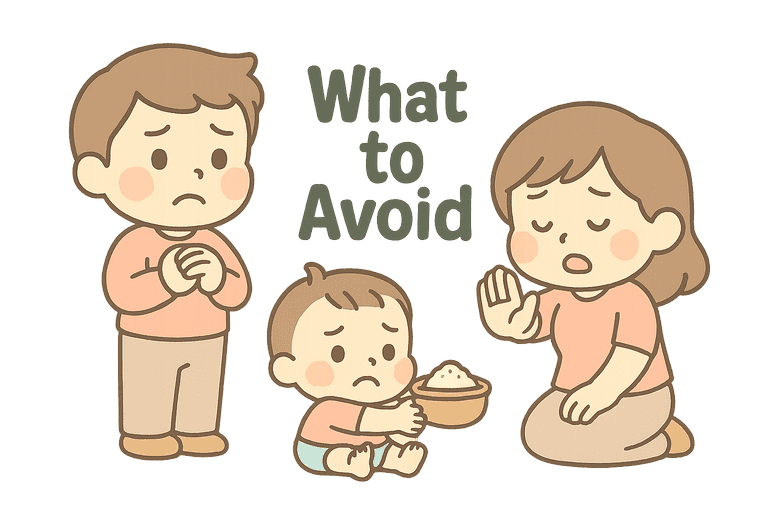
What to Avoid
Avoid Over-the-Counter Growth Supplements
Be cautious of over-the-counter supplements claiming to boost growth.
These are often unregulated and may contain harmful ingredients.
Always consult your pediatrician before giving your child any supplements.
It's better to be safe than sorry!
Don't Compare Your Child to Others Excessively
Every child grows at their own pace, and comparing them to siblings or peers can cause unnecessary anxiety.
Focus on their individual growth pattern and overall health.
Remember, genetics play a big role in height.
Avoid Restricting Calories Unnecessarily
Ensure your child is getting enough calories to support their growth. Restricting calories without medical advice can hinder growth hormone production. A balanced diet is key, not extreme dieting.
Don't Ignore Signs of Delayed Growth
If you notice your child is consistently shorter than their peers or has a sudden drop in their growth rate, don't ignore it.
Seek medical advice promptly.
Early intervention can make a big difference.
Avoid Self-Treating with Growth Hormone
Growth hormone therapy should only be administered under the supervision of a qualified endocrinologist.
Self-treating can be dangerous and lead to serious side effects.
Always follow medical guidance.
Don't Neglect Emotional Well-being
Pay attention to your child's emotional health.
Stress and anxiety can impact growth hormone production.
Create a supportive and loving environment to promote their overall well-being.
Happy kids tend to grow better!
Common Scenarios and Solutions


My child is shorter than all their classmates. Should I be worried?
First, plot your child's height and weight on a growth chart.
If their growth is consistently below the 3rd percentile or if there's a significant drop in their growth rate, consult your pediatrician.
They can assess your child's growth and determine if further evaluation is needed.
Don't panic, but do get it checked out.
My child is a picky eater. How can I ensure they get enough nutrients for growth?
Offer a variety of healthy foods and don't pressure them to eat everything on their plate.
Focus on nutrient-dense foods like fruits, vegetables, and lean protein.
Consider consulting a registered dietitian for personalized advice.
Sometimes, a little creativity can go a long way in getting them to eat healthy.
My child is starting puberty later than their friends. Is this a sign of growth hormone deficiency?
Delayed puberty can be a sign of growth hormone deficiency, but it can also be due to other factors.
Consult your pediatrician for a thorough evaluation.
They may recommend blood tests to check hormone levels.
It's important to rule out any underlying medical conditions.
We can't afford growth hormone therapy. Are there any alternative options?
Discuss your financial concerns with your pediatrician.
They may be able to connect you with resources or programs that can help cover the cost of treatment.
In some cases, lifestyle modifications like improved nutrition and exercise can also help support growth.
Don't hesitate to ask for help; there are often options available.
Similar Questions Parents Ask


What are the side effects of growth hormone therapy?
Side effects are generally mild but can include joint pain, muscle aches, and swelling. Your doctor will monitor your child closely for any adverse effects.
How long does growth hormone therapy last?
Growth hormone therapy typically continues until the child reaches their final adult height or until their growth plates close. The duration varies depending on the individual child.
Can growth hormone therapy make my child taller than their genetic potential?
Growth hormone therapy can help children reach their genetic potential, but it's unlikely to make them significantly taller than what's predetermined by their genes. It's about helping them achieve their natural height.
Is growth hormone therapy safe for my child?
Growth hormone therapy is generally safe when administered under the supervision of a qualified endocrinologist. Regular monitoring is essential to ensure safety and effectiveness.
Signs to Consult Immediately


Sudden decrease in growth rate.
Consistently being shorter than peers.
Delayed puberty (no signs of puberty by age 13 in girls or 14 in boys).
Symptoms like frequent headaches, vision changes, or excessive thirst.
Unexplained weight gain or loss.
Detailed Explanation


Growth hormone, produced by the pituitary gland, is vital for childhood growth and development.
It stimulates the growth of bones, muscles, and other tissues.
It also plays a role in metabolism, helping the body use energy from food.
Without enough growth hormone, children may experience slowed growth and delayed puberty.
It's like the body's natural fertilizer, helping everything grow strong and healthy.
Normal growth varies from child to child, influenced by genetics, nutrition, and overall health.
Pediatricians use growth charts to track a child's height and weight over time, comparing them to other children of the same age and sex.
A child's growth pattern is more important than a single measurement.
Some children have growth spurts, while others grow more steadily.
It's all about the overall trend.
Warning signs of growth hormone deficiency include consistently slow growth, delayed puberty, and a younger-looking face compared to peers.
If you notice these signs, it's important to consult a pediatrician.
They may recommend blood tests to measure growth hormone levels and other hormone levels.
Early diagnosis and treatment can help children reach their full growth potential.
Growth hormone therapy is most effective when started early in childhood.
The treatment involves daily injections of synthetic growth hormone.
The dosage is adjusted based on the child's weight and response to treatment.
Regular monitoring is essential to ensure the treatment is working and to watch for any side effects.
It's a commitment, but it can make a big difference in a child's life.
Premature babies and children with certain genetic conditions, such as Turner syndrome, may have a higher risk of growth hormone deficiency.
These children require close monitoring of their growth and development.
Your pediatrician will tailor their approach to meet your child's specific needs.
Remember, every child is unique, and their treatment plan should reflect that.
In India, seasonal variations can affect children's growth.
During the summer months, children may experience growth spurts due to increased sunlight exposure and vitamin D production.
During the monsoon season, ensure your child gets enough vitamin D through diet or supplements, as sunlight exposure may be limited.
In winter, focus on a balanced diet and adequate sleep to support growth.
Adapt your child's routine to the changing seasons to optimize their growth and health.
Sources
Indian Sources
Refer to the IAP guidelines for standard growth charts and recommendations for monitoring child growth in India. (Check IAP website for latest guidelines)
Search for articles on growth hormone deficiency and related topics in the Indian Pediatrics journal. (Use keywords like 'growth hormone deficiency India')
International Sources
WHO growth charts and information on optimal growth for children worldwide. "The WHO growth standards are based on the growth of children in six countries, including India."
AAP provides information on growth hormone deficiency, diagnosis, and treatment. (Search AAP website for 'growth hormone deficiency')
UNICEF resources on child nutrition and its impact on growth and development. "Adequate nutrition is essential for optimal growth and development in children."
Recommended Reading for Parents
Look for books on child growth and development available on Amazon India or at local bookstores. (Search for 'child growth books India')
A reliable website with articles and information on child health topics, including growth and development. (Available online)