
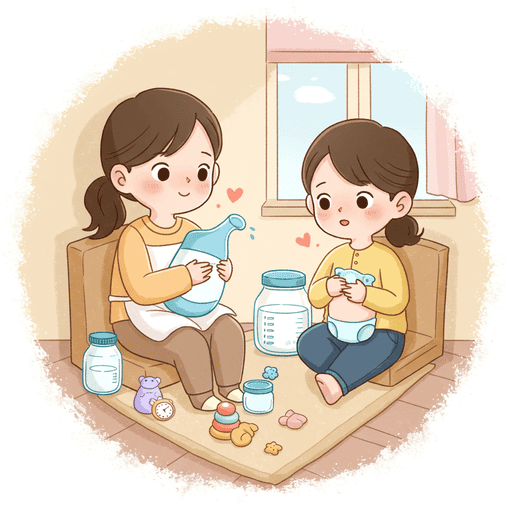
How can I safely store and prepare breast milk for my baby?
Quick Answer

Storing breast milk safely involves proper hygiene, temperature control, and understanding storage durations.
Freshly expressed milk can stay at room temperature for a short period, but refrigeration or freezing is essential for longer storage.
Always label with the date, and thaw/warm gently to preserve nutrients and avoid scalding your baby.
Remember, safety first for your little one!
Recommended Practices

Wash Hands and Equipment Thoroughly
Before expressing or handling breast milk, wash your hands with soap and water for at least 20 seconds.
Clean all parts of your breast pump and storage containers with hot, soapy water, rinsing well.
Sterilizing the equipment regularly, especially when the baby is very young (0-3 months), is a good idea.
In India, ensuring clean water sources for washing is crucial; if unsure, boil water before use.
Label and Date Each Container
Always label each container with the date and time the milk was expressed.
If you're giving the milk to a caregiver, include your baby's name.
This helps you track the milk's freshness and use the oldest milk first.
Use a waterproof marker to avoid smudging.
You might also want to note the amount of milk in each container to minimize waste.
Store Milk in Small Batches
Store breast milk in small quantities, about 60-120 ml (2-4 ounces) per container.
This prevents waste, as any leftover milk in the bottle after a feeding should be used within 2 hours or discarded.
It's always better to thaw an extra container if needed than to waste precious breast milk.
Refrigerate or Freeze Promptly
Cool milk immediately after expressing.
Freshly expressed milk can stay at room temperature (up to 25°C or 77°F) for up to 4 hours, but it's best to refrigerate it as soon as possible.
In hotter climates, like many parts of India, refrigerate within 1-2 hours.
For longer storage, freeze the milk within 24 hours.
Proper Refrigeration Techniques
Store breast milk in the back of the refrigerator (at 4°C or 39°F), where the temperature is most consistent.
Refrigerated breast milk is best used within 4 days.
If you won't use it within this time, freeze it.
Ensure your refrigerator is clean and functioning correctly to maintain the proper temperature.
Safe Thawing and Warming Methods
Thaw frozen breast milk in the refrigerator overnight, or hold it under warm running water.
You can also place the bottle in a container of warm water.
Once thawed, use the milk within 24 hours.
Never microwave breast milk, as it can create hot spots that can burn your baby and damage the milk's nutrients.
Always test the temperature before feeding your baby.
What to Avoid
Avoid Microwaving Breast Milk
Microwaving breast milk can destroy important nutrients and create dangerous hot spots that can scald your baby.
Uneven heating can also alter the milk's composition.
Always use gentle warming methods like warm water baths.
Don't Refreeze Thawed Breast Milk
Once breast milk has been thawed, do not refreeze it. Refreezing can increase the risk of bacterial contamination and degrade the milk's quality. It's best to use thawed milk within 24 hours.
Avoid Storing Milk in the Refrigerator Door
The refrigerator door experiences temperature fluctuations, which can compromise the quality of breast milk. Store milk in the back of the refrigerator where the temperature is more stable.
Don't Overfill Storage Containers
Breast milk expands when frozen, so don't fill containers to the top. Leave some space to prevent the container from breaking. This is especially important when using glass containers.
Avoid Leaving Milk at Room Temperature Too Long
While freshly expressed milk can stay at room temperature for a few hours, prolonged exposure increases the risk of bacterial growth.
Refrigerate or freeze as soon as possible, especially in warm climates.
Don't Use Old or Questionable Milk
If you're unsure how long breast milk has been stored or if it smells or looks off, discard it.
It's always better to be safe than sorry when it comes to your baby's health.
Trust your instincts; if something seems wrong, don't use it.
Common Scenarios and Solutions


Power outage and breast milk in the freezer
Keep the freezer door closed as much as possible.
Breast milk can stay frozen for 24-48 hours in a full freezer.
If the power outage lasts longer, try to transfer the milk to a friend's or relative's freezer, or use dry ice to keep it frozen.
Once thawed, do not refreeze.
Traveling with expressed breast milk
Use an insulated cooler bag with ice packs to keep the milk cold during travel.
Refrigerate or freeze the milk as soon as you reach your destination.
If traveling by air, check with the airline about their policies on transporting breast milk.
Consider using breast milk storage bags, which are lightweight and easy to pack.
Baby refuses refrigerated breast milk
Some babies prefer the taste of fresh milk.
Try warming the refrigerated milk slightly before feeding.
You can also try mixing it with a small amount of freshly expressed milk.
If the baby consistently refuses refrigerated milk, consider freezing more milk for later use and offering fresh milk whenever possible.
Forgetting to label a container of breast milk
If you're unsure when the milk was expressed, it's best to discard it. It's not worth the risk of feeding your baby spoiled milk. Make it a habit to label each container immediately after expressing.
Similar Questions Parents Ask


Can I mix freshly expressed milk with refrigerated milk?
Yes, you can mix freshly expressed milk with refrigerated milk, but cool the fresh milk in the refrigerator first before mixing to maintain a consistent temperature.
How long can I store breast milk at room temperature?
Freshly expressed breast milk can stay at room temperature (up to 25°C or 77°F) for up to 4 hours, but it's best to refrigerate it as soon as possible, especially in warmer climates.
What type of containers are best for storing breast milk?
Use BPA-free plastic containers or glass containers specifically designed for breast milk storage. Breast milk storage bags are also a convenient option for freezing.
Does freezing breast milk affect its nutritional value?
Freezing can slightly reduce the levels of some vitamins, but breast milk still retains most of its nutritional and immunological benefits after freezing.
Signs to Consult Immediately


Baby develops a fever after consuming stored breast milk.
Baby experiences vomiting or diarrhea after feeding.
Breast milk smells foul or appears curdled.
You suspect the breast milk may be contaminated.
Baby refuses to feed and shows signs of dehydration.
Detailed Explanation


Breast milk is a dynamic fluid, perfectly designed to meet your baby's nutritional needs.
It contains antibodies, enzymes, and other bioactive components that protect your baby from infections and promote healthy growth.
Proper storage is crucial to preserve these benefits.
The composition of breast milk can change slightly depending on the baby's age and needs, so fresh milk is always ideal, but stored milk is a very good alternative when direct breastfeeding isn't possible.
Normal breast milk can vary in color and consistency.
It may appear bluish, yellowish, or even slightly greenish depending on your diet.
Separated milk, with a layer of fat on top, is perfectly normal; just swirl gently to mix before feeding.
The key is to ensure it doesn't have a foul odor or curdled appearance, which could indicate spoilage.
Warning signs that require medical attention include a baby refusing to drink stored milk, showing signs of gastrointestinal distress (vomiting, diarrhea), or developing a fever after consuming stored milk.
While rare, contaminated breast milk can cause illness, so it's important to be vigilant.
If you have any concerns, consult your pediatrician immediately.
Storage guidelines change slightly as your baby grows.
For newborns (0-3 months), strict hygiene is paramount due to their immature immune systems.
As they get older (3-6 months and beyond), their immune system strengthens, but safe storage practices remain essential.
Always prioritize freshness and proper handling.
Premature babies and those with health conditions require even more stringent storage protocols.
Hospitals often have specific guidelines for storing breast milk for these vulnerable infants.
Always follow your pediatrician's or neonatologist's recommendations.
Sterilization of equipment may be more frequently recommended.
In India, seasonal variations impact breast milk storage.
During the hot summer months, refrigerate or freeze milk as quickly as possible to prevent spoilage.
In the monsoon season, humidity can increase the risk of bacterial growth, so extra care is needed.
During winter, while the risk of spoilage is lower, maintaining proper hygiene is still crucial.
Ensure your storage containers are well-sealed to prevent contamination from dust and insects, which are common in many Indian homes.
Sources
Indian Sources
Refer to the IAP's latest guidelines for comprehensive recommendations on breastfeeding practices in India. (Check for most recent publication year)
Search for articles related to breastfeeding and infant nutrition for evidence-based practices relevant to the Indian context.
International Sources
WHO recommends exclusive breastfeeding for the first 6 months of life, followed by continued breastfeeding with complementary foods for up to 2 years or beyond. [“Breastfeeding is an unequalled way of providing ideal food for the healthy growth and development of infants.”]
AAP provides comprehensive information on breastfeeding, including storage guidelines. [“The AAP recommends exclusive breastfeeding for about 6 months, followed by continued breastfeeding as complementary foods are introduced, with continuation of breastfeeding for 2 years or longer as mutually desired by mother and child.”]
Recommended Reading for Parents
A comprehensive guide to breastfeeding, available in India, offering practical advice and support.
An online community where Indian mothers can connect, share experiences, and get advice on breastfeeding.